
🌍 U.S. DIPLOMATIC POSITION AND TALKS PREPARATION: The U.S. president stated that Pakistan’s army chief did not formally propose changes regarding the blockade of Iranian ports, while indicating readiness to meet senior Iranian leadership if progress is achieved. He added that Vice President J.D. Vance and U.S. envoys are en route to Pakistan, with talks expected to proceed and no indication of stalling.
An American aircraft has already arrived at Nur Khan Air Base in Islamabad, with the delegation expected shortly. Separate reporting indicates Pakistan is working to facilitate Iran’s participation, while Iranian officials are still weighing whether to attend, with no final decision confirmed.
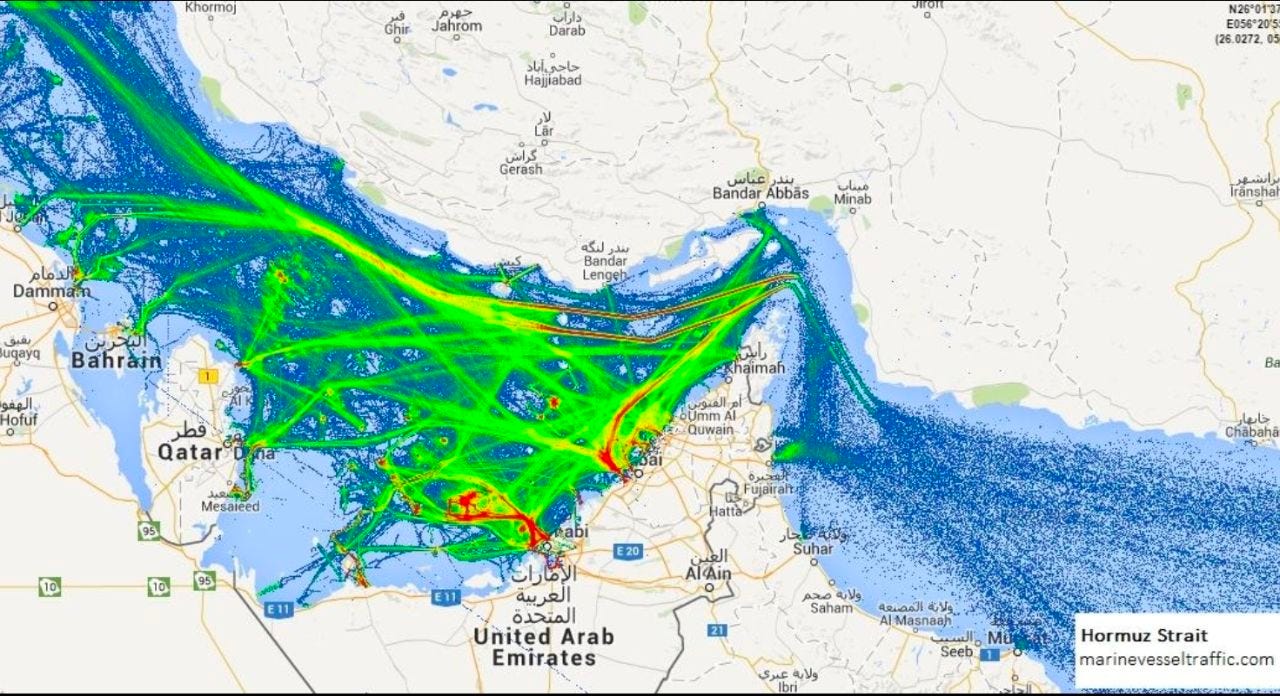
🚢 BLOCKADE POLICY AND CEASEFIRE FRAMEWORK: The U.S. president assessed that extending the current two-week ceasefire without an agreement is unlikely, linking continuation of the truce to tangible progress in negotiations. He also stated that the Strait of Hormuz blockade will remain in place until a deal is reached. A U.S. Central Command spokesperson confirmed that naval enforcement operations are ongoing with no change in posture.
📞 PAKISTAN INTERVENTION ON HORMUZ ISSUE: Pakistan’s army chief Asim Munir raised concerns directly with the U.S. president, describing the Hormuz blockade as a barrier to advancing negotiations. He emphasized that the restriction is complicating diplomatic efforts aimed at reaching a settlement. The U.S. president acknowledged the concern and said the issue would be reviewed, indicating possible consideration but no immediate policy shift.
⚠️ IRAN’S PARTICIPATION REMAINS UNCERTAIN: Iranian officials signaled that continued U.S. naval restrictions could prevent their participation in the next round of talks in Islamabad. A senior source noted that core disputes over the nuclear program remain unresolved, with no narrowing of gaps. Despite public indications that Iran may not send a delegation, a six-point framework is still under discussion between the sides, reflecting ongoing indirect engagement.
📉 SHARP DECLINE IN HORMUZ SHIPPING ACTIVITY: Maritime traffic through the Strait of Hormuz has dropped significantly, with only two vessels reported to have transited the route in the past 24 hours. This reflects the immediate operational impact of the ongoing blockade.
🗣️ TRUMP’S POSITION ON WAR AND NEGOTIATIONS: The U.S. president stated that his decision to confront Iran was driven by the October 7 attacks and his long-standing position against a nuclear-armed Iran, not by Israeli influence. He criticized media reporting and polling, while suggesting that future developments in Iran could shift significantly under different leadership.
He also warned that the ceasefire remains fragile, emphasizing that negotiations are limited strictly to preventing Iran from obtaining nuclear weapons and that a collapse of the truce would likely lead to renewed large-scale military action.
🛡️ ISRAELI MILITARY READINESS: Israeli officials assess that a complete Iranian abandonment of its nuclear program is unlikely, shaping current defense planning assumptions. Preparations are ongoing for a potential resumption of hostilities if negotiations fail. The Israeli Air Force continues operational readiness measures, with pilots on standby and active maneuvering underway.
🛰️ NETANYAHU ON AIR SUPERIORITY AND CONTINUED OPERATIONS: The prime minister stated that Israeli air dominance across the region demonstrates operational superiority over Iranian-aligned forces. He emphasized that the campaign is not complete and reaffirmed Israel’s commitment to continued self-defense.
🗨️ Join the discussion, read on web & subscribe by email: https://www.israelrealtime.com/p/subscribe
🔁 If this gave you clarity — forward it.


