
π± U.S.-IRAN TALKS STALLED AS HORMUZ RESTRICTIONS, MARITIME INCIDENTS, AND MILITARY POSTURING INTENSIFY
π NEGOTIATIONS REMAIN UNRESOLVED: U.S. leadership outlined terms including continued blockade enforcement, uranium recovery to U.S. control, and an indefinite halt to Iranβs nuclear program. Washington also stated Iran would not regain frozen funds and would cease support for regional proxy groups.
Iranian officials rejected these claims, stating there is no agreement to transfer enriched uranium and that Tehran is not prepared to resume negotiations under current U.S. demands.
β οΈ IRAN SIGNALS CONDITIONAL OR CLOSED STRAIT ACCESS: Iran warned that continued U.S. pressure would directly impact maritime passage through the Strait of Hormuz. Officials indicated access would be restricted, controlled through designated routes, and subject to Iranian authorization.
Additional statements suggested Iran may fully close the Strait during certain periods, enforce coordination requirements with the IRGC, and impose tolls on passing vessels.
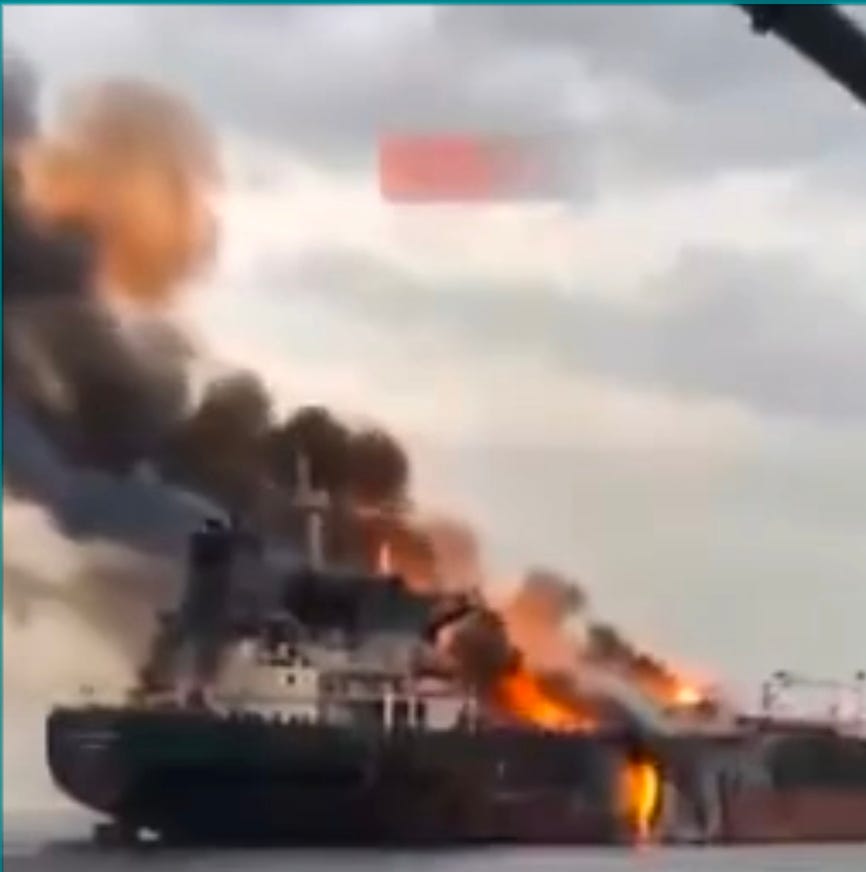
βοΈ MARITIME INCIDENTS AND ENFORCEMENT ACTIONS INCREASE: Iran reported responding to a U.S. mine-clearing attempt, describing it as a ceasefire violation that nearly escalated before de-escalation occurred. British naval monitoring reported IRGC vessels firing on commercial ships, while other incidents included forcing tankers to turn back and issuing radio warnings to vessels.
Multiple attacks on commercial shipping were reported, including one direct hit without casualties, and diplomatic fallout followed, with India summoning the Iranian ambassador after an incident involving one of its tankers. U.S. officials indicated preparations to seize Iran-linked vessels in international waters.
π¨ ESCALATION WARNINGS FROM BOTH SIDES: U.S. officials warned that without progress, military action could resume in the near term, including renewed strikes. Iranian leadership responded with warnings of broader conflict if hostilities resume.
At the same time, the USS Gerald R. Ford, accompanied by two destroyers, returned to the Red Sea, reinforcing U.S. regional military presence.
βοΈ INTERNAL IRANIAN MESSAGING REMAINS INCONSISTENT: Public statements from Iranian leadership showed divergence, with diplomatic channels suggesting openness to shipping while IRGC-aligned messaging emphasized restrictions and enforcement.
Israeli reporting assessed that this reflects internal division, with operational control increasingly shaped by the IRGC, while civilian leadership messaging remains less consistent.
π IRAN RETAINS SIGNIFICANT MILITARY CAPACITY: Despite sustained strikes, U.S. and independent assessments indicate Iran maintains a substantial portion of its military assets, including attack drones and missile launch systems.
Recovered systems from protected or buried storage sites, along with remaining stockpiles, suggest Iran retains the ability to reconstitute a large share of its pre-conflict capabilities.
π¨οΈ Join the discussion, read on web & subscribe by email: https://www.israelrealtime.com/p/subscribe
π If this gave you clarity β forward it.


