
🌍 Conflicting reports continued to surround a possible U.S.-Iran memorandum tied to reopening the Strait of Hormuz and advancing negotiations toward a broader nuclear agreement. While U.S. reports claimed Iran agreed to transfer highly enriched uranium out of the country, a senior Iranian official denied the claim and stated the nuclear issue was not part of the preliminary arrangement.
🇺🇸 President Trump stated that no final agreement would be approved unless Iran’s nuclear program is dismantled and enriched uranium removed from Iranian territory. He said negotiations are proceeding in an “orderly and constructive manner,” instructed U.S. negotiators not to rush discussions, and maintained that the blockade on Iran would remain in effect until a final agreement is signed and implemented.
🇮🇱 Israeli political sources said Washington continues updating Israel throughout the negotiations. During a call with President Trump, Prime Minister Netanyahu reiterated that Israel will preserve freedom of action against threats across all fronts, including Lebanon. Netanyahu also stated both sides agreed any final agreement must eliminate the nuclear threat through dismantling enrichment infrastructure and removing enriched material from Iran.
🧩 U.S., Iranian, and European officials all indicated that major disagreements remain unresolved. Trump administration officials said several clauses are still under dispute and warned Iran’s internal approval process could take days. European officials described a repeated pattern in which both sides “agree in principle” before disagreeing over specific terms.
🏛️ Iranian officials accused Washington of slowing progress and creating obstacles in the negotiations. President Masoud Pezeshkian said Iran is prepared to assure the international community it is not pursuing nuclear weapons and does not seek regional instability. Iranian media additionally claimed the arrangement could unlock approximately $25 billion in frozen Iranian assets.
🚢 Iranian media rejected suggestions that Strait of Hormuz arrangements would reduce Tehran’s authority over the waterway. Officials stated Iran would continue controlling maritime procedures, permits, routes, and transit timing in the strait even under a future agreement.
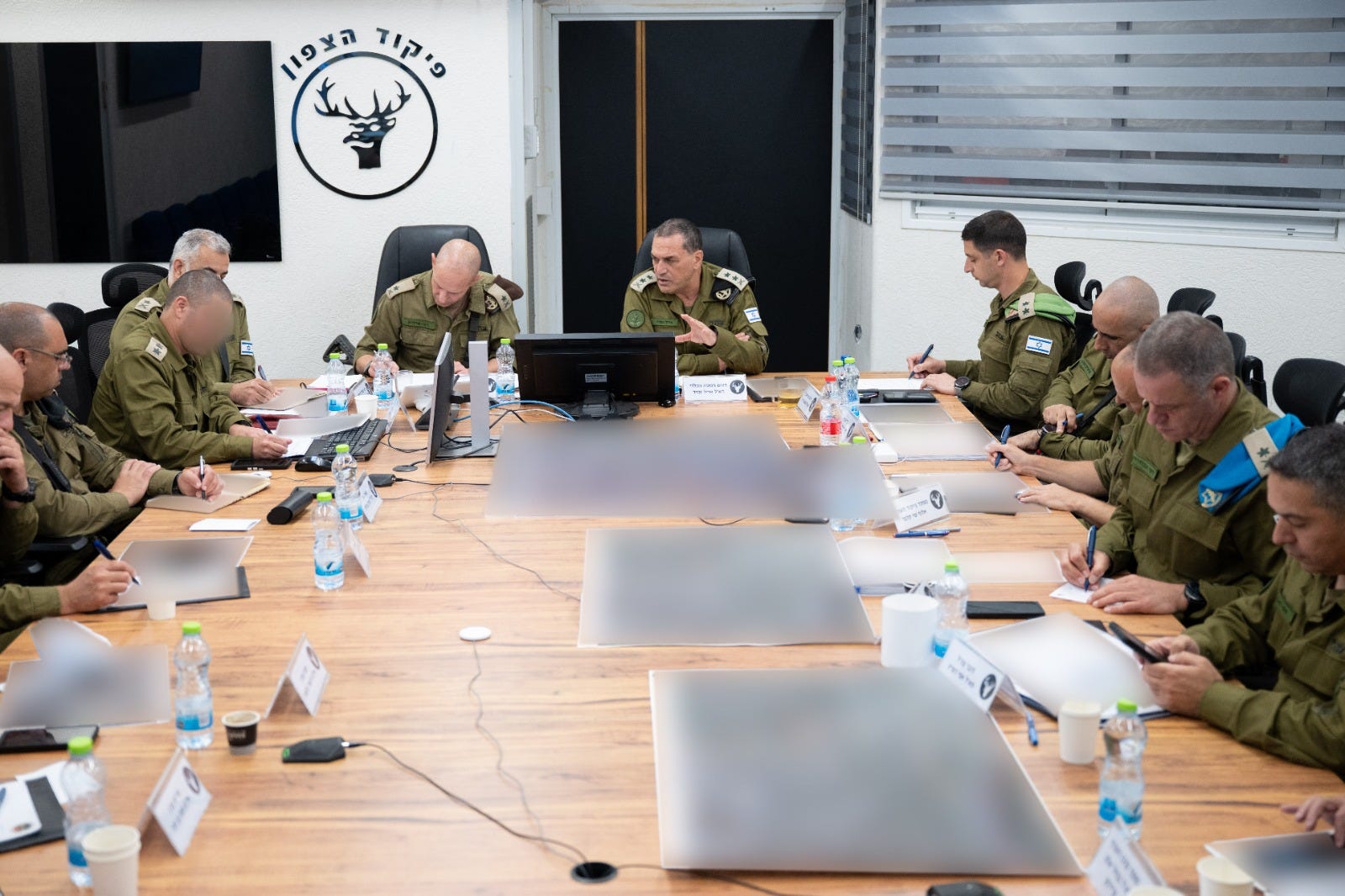
📢 Following a situational assessment, Home Front Command defensive guidelines remain unchanged through Tuesday, May 26, 2026, at 8:00 PM.
🛡️ Senior Israeli officials warned the emerging framework could strengthen Iran strategically by demonstrating that pressure on the Strait of Hormuz can produce major international concessions. Israeli concerns also focused heavily on Lebanon and continued Hezbollah rearmament, with officials warning Israel could eventually face renewed ceasefire arrangements, a prolonged war of attrition, or broader military action.
👥 Israeli media reported that senior Israeli officials accused U.S. envoys Steve Witkoff and Jared Kushner of persuading President Trump to continue negotiations with Iran rather than immediately authorizing additional military action ahead of a key decision point.
🤝 Senator Lindsey Graham suggested the wider regional framework connected to the negotiations could include efforts to expand the Abraham Accords to Saudi Arabia, Qatar, and Pakistan. He warned that refusal to participate could affect future relations with Washington.
🛰️ Iranian media additionally claimed Iranian air defenses downed an Israeli stealth reconnaissance drone near Bandar Abbas in Hormozgan Province.
🔁 If this gave you clarity — forward it.
🗨️ Join the discussion, read on web & subscribe by email: https://www.israelrealtime.com/p/subscribe


