
🏛️ COALITION CRISIS DELAYED AS DRAFT LEGISLATION ADVANCES: A coalition crisis was temporarily avoided after an agreement between Prime Minister Netanyahu and the ultra-Orthodox parties.
Under the arrangement, elections would be postponed until October 20 while legislation concerning Torah study and military draft issues advances. Shas chairman Rabbi Aryeh Deri and United Torah Judaism chairman MK Rabbi Moshe Gafni demanded immediate progress on the proposed Basic Law: Torah Study and legislation intended to halt arrests of yeshiva students.
The parties warned that failure to demonstrate concrete legislative progress could lead them to support dissolving the Knesset as early as next week. According to their joint statement, Netanyahu committed to advancing the legislation rapidly.
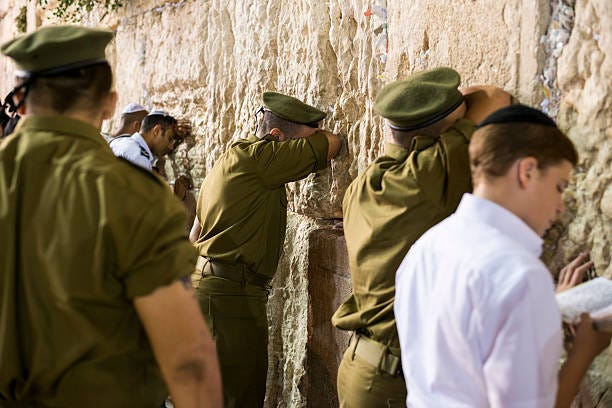
🛡️ IDF LEADERSHIP FOCUSES ON MANPOWER SHORTAGES AND SERVICE POLICY: IDF Chief of Staff Lt. Gen. Eyal Zamir met senior Religious Zionist rabbis and yeshiva leaders alongside senior military commanders to discuss manpower requirements, women's service in combat roles, and implementation of the Joint Service Order.
Zamir said the military remains short thousands of combat soldiers and requires substantial additional manpower to sustain operations across multiple fronts. He stressed that every soldier, male and female, is needed to meet current security requirements.
He reaffirmed the importance of the Joint Service Order to enable service by diverse populations while respecting religious beliefs. Regarding women serving in key and combat positions, Zamir said expansion would continue according to operational necessity and professional standards.
Participating rabbis expressed support for meaningful military service while raising concerns regarding the needs of observant soldiers. Zamir concluded by emphasizing that Israel has one people's army that must accommodate the diversity of Israeli society while maintaining readiness.
⚖️ NETANYAHU COMPLETES TESTIMONY AS PARDON DEBATE CONTINUES: After approximately eighteen months of testimony and 98 court appearances, Prime Minister Netanyahu completed his testimony in Cases 1000, 2000 and 4000.
The trial now moves to its next stages, including possible defense witnesses, rebuttal evidence, and eventual closing arguments before a verdict is reached.
Case 1000 concerns allegations involving gifts received from wealthy businessmen. Case 2000 centers on discussions with Yedioth Ahronoth publisher Arnon Mozes regarding potential media coverage. Case 4000 alleges regulatory benefits for Bezeq owner Shaul Elovitch in exchange for favorable coverage on the Walla news website and includes the trial's sole bribery charge. Netanyahu denies all allegations.
Supporters view the proceedings as a politically motivated effort to remove Netanyahu through legal means, while critics regard the trial as an important test of accountability and the rule of law.
The completion of testimony comes amid continuing discussion regarding a possible presidential pardon. International attention increased after President Trump publicly urged President Isaac Herzog to grant one, arguing that Netanyahu should not be burdened by legal proceedings during a period of major security challenges.
Herzog has declined to take immediate action, stating that any request must undergo the standard legal review process. With Netanyahu no longer required to spend extensive time on the witness stand, one of the central practical arguments advanced by pardon supporters has diminished. The legal proceedings remain ongoing, and there is no indication of an imminent decision regarding a presidential pardon.
🔁 If this gave you clarity — forward it.
🗨️ Join the discussion, read on web & subscribe by email: https://www.israelrealtime.com/p/subscribe


