
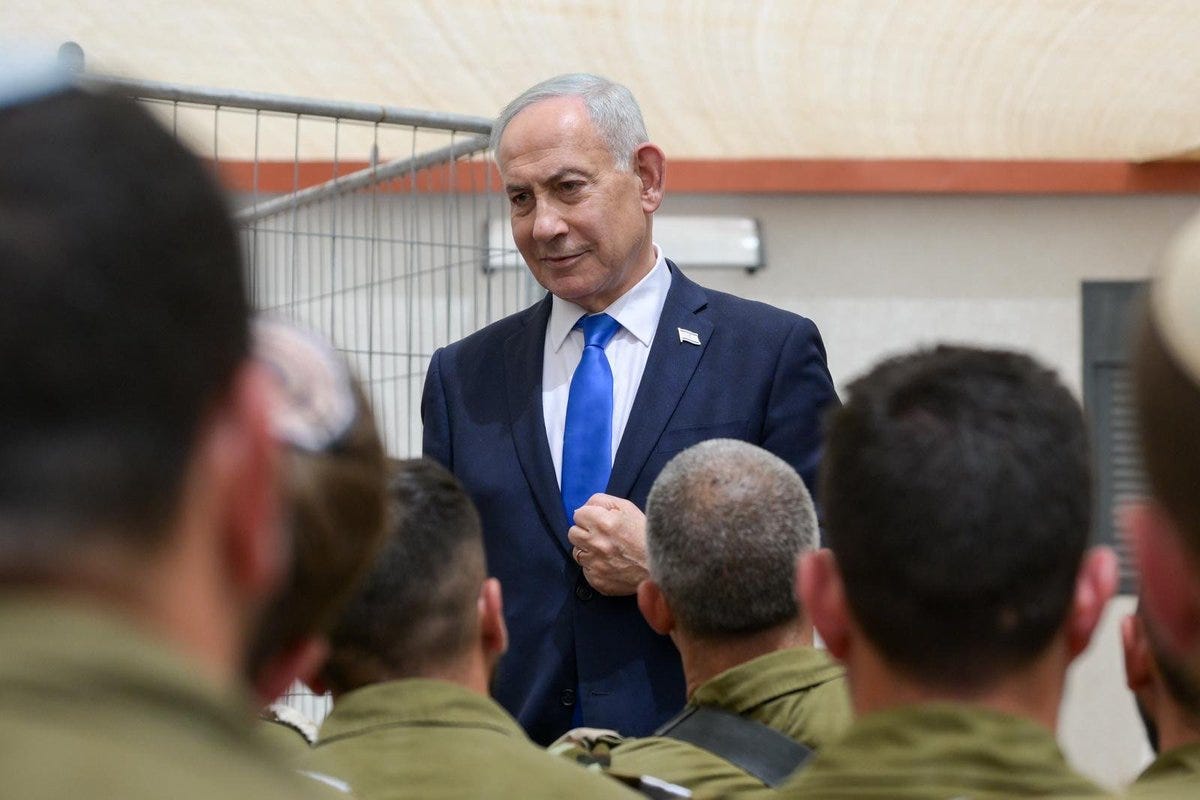
๐ญ Prime Minister Netanyahu called for reducing Israel's dependence on foreign weapons supplies and expanding domestic defense production.
๐ฎ๐ฑ While emphasizing his appreciation for American support, Netanyahu argued that Israel must develop greater defense self-sufficiency through expanded local manufacturing and independent armaments capabilities.
๐ก๏ธ He stated that Israel's long-term security requires continued military strengthening, technological advancement, increased production capacity and the development of future military leadership. Netanyahu said Israel has already inflicted significant damage on Iran and its regional allies but maintained that the broader confrontation remains unresolved.
๐ According to Netanyahu, these investments will shape Israel's strategic position for decades to come.
๐ Iranian Parliament Speaker Mohammad Ghalibaf stated that the Strait of Hormuz would not return to its pre-war operating environment.
๐ข Iranian sources described a framework under which Tehran would exercise greater influence over shipping activity and transit volume while utilizing a direct hotline with the United States to address maritime issues.
๐ค Ghalibaf traveled to Oman and is expected to meet Sultan Haitham bin Tariq to discuss bilateral relations and coordination concerning developments in the Strait of Hormuz.
๐ Separately, an Iranian source told Fars News Agency that Vice President JD Vance's claims regarding the return of IAEA inspectors were inaccurate. According to the source, discussions in Switzerland did not include an agreement concerning inspectors' return to Iran.
๐ฌ Asked about an apparent diplomatic snub involving Foreign Minister Abbas Araqchi, Vance dismissed the suggestion and remarked that Iranian negotiators can at times be difficult to interpret.
๐ If this gave you clarity โ forward it.
๐จ๏ธ Join the discussion, read on web & subscribe by email: https://www.israelrealtime.com/p/subscribe


