
🛢️ President Trump publicly promoted the reported agreement, describing it as a major diplomatic breakthrough that would restore regional stability and reopen maritime energy routes. Trump announced authorization for the reopening of the Strait of Hormuz and the removal of the U.S. naval blockade, stating that global shipping and oil exports should resume normal operations following the agreement’s signing.
☢️ President Trump also confirmed that Iran would be permitted to maintain low-level uranium enrichment under the reported framework, alongside a reported 15–20 year restriction period. Trump stated that failure to finalize the agreement within 60 days could result in a return to war. Critics argued that allowing enrichment capability at any level could eventually enable Iran to reach weapons-grade enrichment in the future.
🛰️ Additional criticism focused on broader elements of the reported arrangement, including immediate sanctions relief, Iran’s ballistic missile program, and continued support for regional proxy organizations. Concerns were also raised regarding reported plans for joint Iranian-Omani management connected to the Strait of Hormuz arrangement.
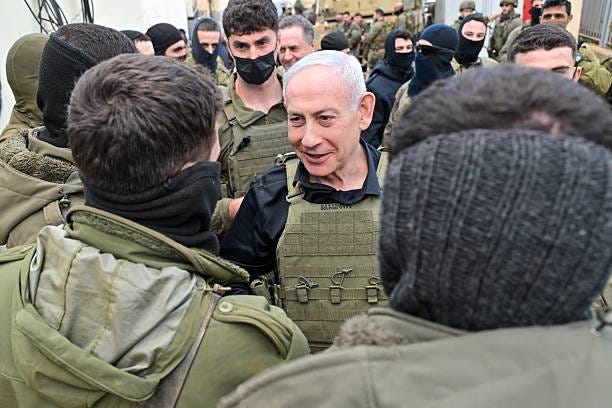
🇮🇱 Israeli officials signaled significant reservations regarding the Lebanon component of the reported agreement. Prime Minister Netanyahu reportedly informed President Trump that Israel does not consider itself bound by any clause requiring IDF withdrawal from Lebanon. Iranian statements also indicated that the ceasefire framework explicitly includes Lebanon.
🛡️ Israeli officials reportedly expressed concern that military escalation in Beirut could have endangered ongoing negotiations with Iran. Defense Minister Katz reportedly remained in contact with his American counterpart during the developments, while Vice President J.D. Vance was said to have spent extended hours at the White House during the negotiations.
⚖️ Minister Itamar Ben-Gvir publicly rejected the reported arrangement, stating that Israel remains sovereign and is not obligated to accept terms that, in his view, fail to ensure Israeli security. Ben-Gvir reiterated opposition to withdrawing from captured territory or accepting conditions that would allow Hezbollah to reestablish positions near northern Israeli communities.
🌐 Broader criticism surrounding the agreement focused on the strategic message projected by the reported conclusion of the conflict. Critics argued that the arrangement may be interpreted internationally as a sign of American reluctance to fully confront Iran despite military and economic pressure capabilities available during the conflict.
🔁 If this gave you clarity — forward it.
🗨️ Join the discussion, read on web & subscribe by email: https://www.israelrealtime.com/p/subscribe


