
β ISRAEL STRIKES IRGC INTELLIGENCE LEADERSHIP AS IRAN DEPLOYS CLUSTER WARHEADS AND REJECTS CEASEFIRE TERMS
π₯ CLUSTER MUNITION IMPACTS IN HAIFA AND CENTRAL ISRAEL: Iranian ballistic missiles assessed to carry cluster warheads scattered submunitions across multiple impact zones, causing widespread localized damage. In Haifa, four people were lightly injured, while in central Israel a 34-year-old woman was seriously wounded and additional light injuries were reported, including from debris and glass.
ποΈ URBAN DISPERSAL ACROSS CENTRAL ISRAEL: Submunition impacts were recorded across multiple cities, including Ramat Gan, Givatayim, Bnei Brak, and Petah Tikva. The wide-area dispersion pattern reflects the operational effect of cluster warheads, complicating emergency response and increasing exposure across densely populated areas.
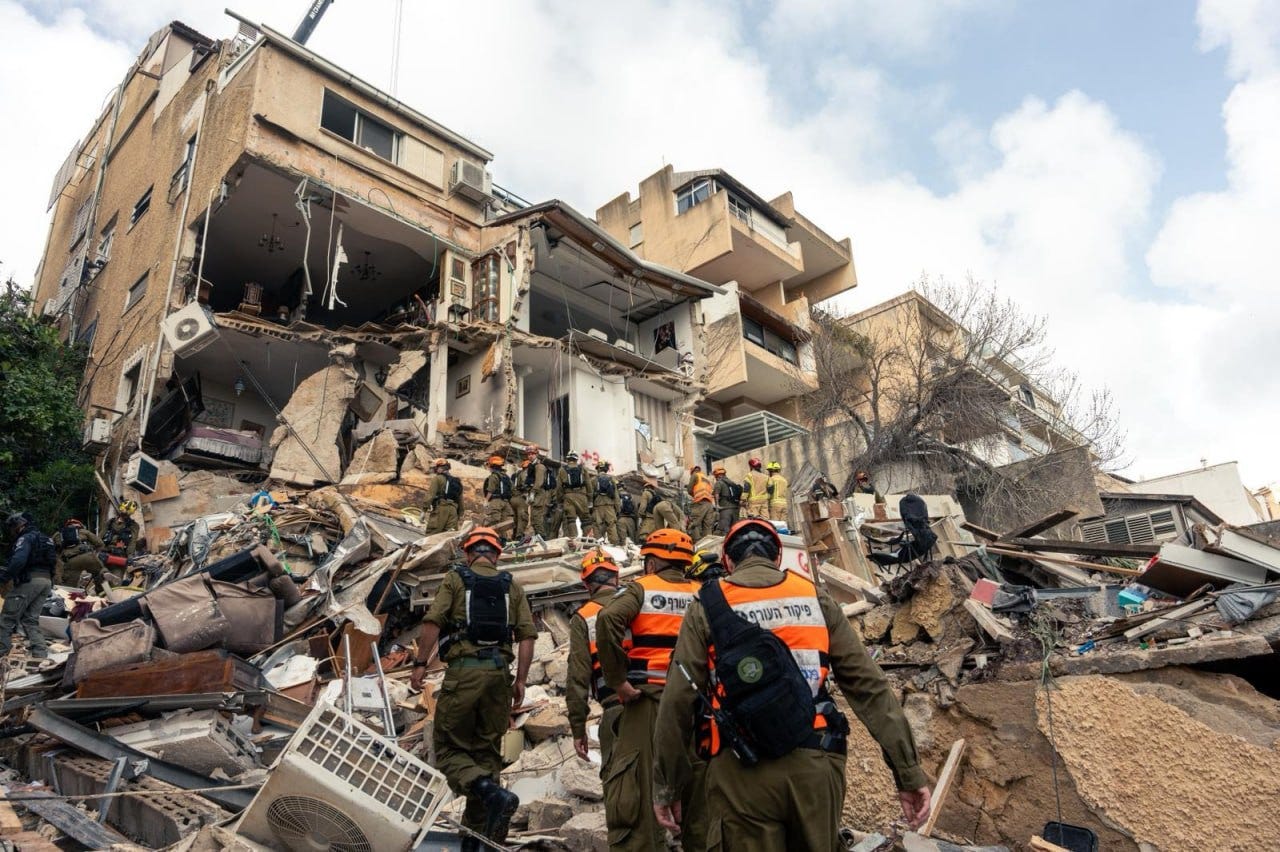
π‘οΈ INTERCEPTION FAILURE ANALYSIS IN HAIFA STRIKE: An Israeli Air Force investigation determined that a missile broke apart mid-air, altering its trajectory and preventing successful interception. The warhead ultimately struck a residential building but did not detonate, contributing to structural collapse without an explosive blast.
π―οΈ FATALITIES RECOVERED FROM HAIFA STRIKE SITE: Four victims previously unaccounted for were located and recovered from the rubble following extended search efforts. The casualties included two elderly individuals, a man in his 40s, and a 35-year-old woman, with recovery completed after overnight and morning operations.
π§ COMPLEX SEARCH AND RESCUE CONDITIONS: Forces conducted an 18-hour operation under conditions of structural instability and suspected unexploded ordnance. Multiple access tunnels were dug to reach victims located deep inside the building, with teams proceeding cautiously under the assumption of possible survivability.
π― ELIMINATION OF IRGC INTELLIGENCE LEADERSHIP: The IDF confirmed the killing of IRGC Intelligence Chief Majid Khademi and Unit 840 commander Yazdan Mir in Tehran. Unit 840 has been linked to external operations targeting Israelis, and the strike follows prior eliminations within Iranβs intelligence leadership structure.
βοΈ STRIKES ON QUDS FORCE AIR AND DRONE INFRASTRUCTURE: Israeli airstrikes targeted three airports in the Tehran area, damaging runways, control towers, and a drone production facility associated with the Quds Force. The strikes focused on operational aviation and UAV capabilities.
π CEASEFIRE PROPOSALS AND DIPLOMATIC CHANNELS: Mediators presented frameworks including an immediate ceasefire, reopening of the Strait of Hormuz, and a phased agreement addressing nuclear commitments and sanctions relief. Reports indicate the U.S. may consider adjustments to its demands within a defined negotiation window.
π« IRAN REJECTS TERMS AND MAINTAINS HARDLINE POSITION: Tehran declined ceasefire proposals and rejected conditions tied to reopening the Strait of Hormuz, while signaling refusal to negotiate under pressure. IRGC naval messaging emphasized preparation for continued operations and a shift in regional maritime dynamics.
β οΈ MEDIATION STALL AND POTENTIAL EXPANSION OF TARGET SET: Diplomatic efforts have not produced engagement from Iran, while Israeli officials indicate pending decisions regarding potential strikes on Iranian energy infrastructure. Timing is linked to coordination with Washington.
β±οΈ If this update was helpful, please forward it to someone who relies on real-time information from Israel.
π Read on web & subscribe by email: https://www.israelrealtime.com/s/digest
β Support independent reporting: https://www.israelrealtime.com/p/donate


