π‘οΈ ISRAEL REJECTS HEZBOLLAH WITHDRAWAL DEMANDS AS U.S.-IRAN DEAL ADVANCES TOWARD LEBANON CEASEFIRE FRAMEWORK WHILE IDF PREPARES TO HALT OPERATIONS WITHOUT LEAVING SOUTHERN SECURITY ZONE
π±π§ Lebanese MP Hussein al-Hajj Hassan, a member of Hezbollah's Loyalty to The Resistance Bloc, said: "We were clearly informed by Iran that Lebanon is included in the ceasefire."
He claimed Iranian officials informed Hezbollah that Israel would withdraw from Lebanese territory under the agreement.
Hassan added: "We will never accept a return to the situation before March 2, 2026, and Israel has no right to stay on our land."
He also stated: "Israel and the US are the ones who should commit first, because they are the ones who violate agreements. Hezbollah cannot make a commitment if the enemy does not commit first".
Lebanese Prime Minister Nawaf Salam said: "We are affected by the negotiation process in Islamabad and its results are reflected in our country, but no one is negotiating on behalf of Lebanon".
Lebanese Foreign Minister Youssef Rajji told Le Figaro: "We do not call for the disarmament of Hezbollah to please Israel or the US, but to live in a normal country."
Rajji added: "Hezbollah's operations harm the economy, hinder tourism, and drag us into wars that have nothing to do with us".
β οΈ A source told Yedioth Ahronoth that Israel has information indicating the Washington-Tehran agreement includes a ceasefire in Lebanon.
Israeli officials told Yedioth Ahronoth: "If Hezbollah targets northern towns, we will attack the suburbs, and at that point, we will see Iran's response."
They added: "If Iran attacks us while targeting the suburbs, we will respond and will not accept the unification of fronts".
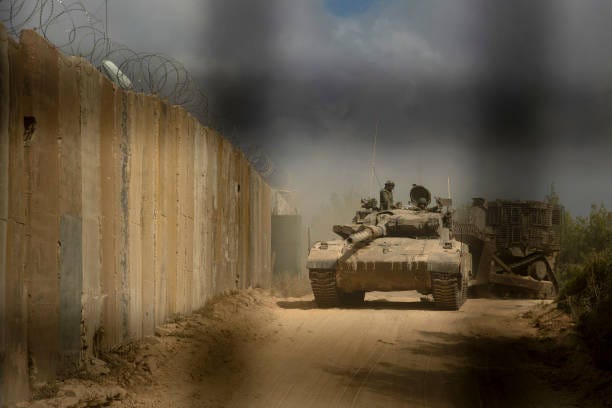
Security sources told the Israeli Broadcasting Authority that the IDF is preparing to halt ground operations in Lebanon as part of an agreement being finalized between Washington and Tehran.
The sources said the IDF will not withdraw from the safe zone in southern Lebanon under the agreement framework, and that the issue will be discussed during negotiations.
A senior Israeli official told Channel 12: "This is a shitty agreement".
π‘οΈ A senior US official told the Israeli Broadcasting Authority: "No country will give up its right to self-defense as a result of the agreement. If the Iranians attack Israel, we will not expect Israel not to respond".
A senior diplomatic source told Israel Hayom that Israel will not be required to sign any agreement with Iran and will retain the right to defend itself, although military action would need to be coordinated with the US.
The source added that if no final agreement is reached and Iran maintains its blockade of the Strait of Hormuz or continues hostile actions, regime change could remain an option.
Regarding Lebanon, the source said the memorandum outlines a "regional ceasefire" under existing arrangements while preserving Israel's right to self-defense and to strike current or emerging threats.
The source also stated that Iran sought an Israeli withdrawal from southern Lebanon as part of the agreement but failed to secure that demand.
πΈ On Thursday evening, President Trump called Israeli PM Netanyahu with a message he did not want to hear: Trump expected to sign a deal with Iran within days. Netanyahu, who believed the war could potentially lead to βregime changeβ in Tehran, appeared to recognize that he could not prevent Trump from moving forward with the agreement.
Israeli officials have avoided publicly criticizing President Trump, but remain privately skeptical of the deal. One major concern is that after the agreement is signed and the war ends, Iran could prolong negotiations without making meaningful nuclear concessions while stabilizing its economy through renewed oil sales without the risks of continued conflict, according to Axios.
π If this gave you clarity β forward it.
π Full updates & discussion: https://www.israelrealtime.com