
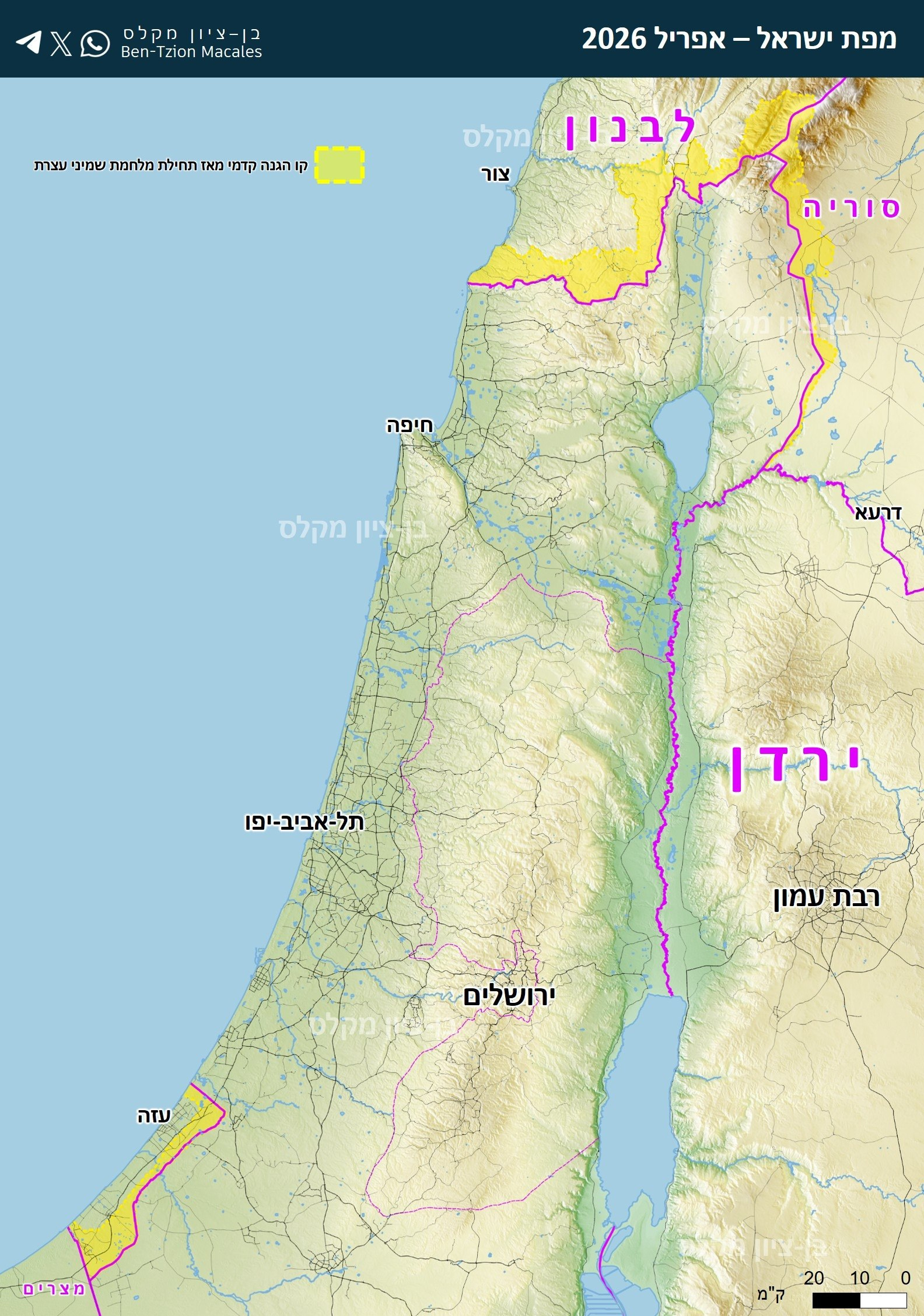
🌍 WASHINGTON TALKS FRAME DIPLOMATIC CHANNEL: Negotiations between Israel and Lebanon are scheduled at the White House, involving both countries’ ambassadors alongside senior U.S. representatives, including potential participation by President Donald Trump. U.S. Ambassador to Israel Mike Huckabee and the U.S. Ambassador to Lebanon are also expected to take part, reflecting direct American facilitation of the talks.
🇱🇧 LEBANESE POSITION ON WITHDRAWAL AND TERMS: Prime Minister Nawaf Salam stated that Lebanon rejects any agreement lacking a full Israeli withdrawal, opposing continued military presence and the current buffer zone arrangement. He called on the U.S. administration to pressure Israel to scale back its demands and end ongoing operations.
🛰️ STRUCTURED DIPLOMATIC TRACK OUTLINED BY LEBANON: President Joseph Aoun described ongoing engagement with U.S. leadership, including President Trump and Secretary of State Marco Rubio, as focused on stabilizing the ceasefire and initiating broader negotiations. The framework includes ending the state of war, addressing disputed territories, prisoner exchanges, deployment of Lebanese forces to international borders, and resolving Blue Line disputes, while rejecting reports of direct contact with Israeli leadership.
🕊️ EXPANDED CEASEFIRE TERMS AND INTERNATIONAL ENGAGEMENT: Lebanon is seeking to broaden ceasefire conditions to include protections for civilian infrastructure and personnel, with its ambassador in Washington tasked with advancing these demands. Aoun emphasized increased U.S. diplomatic involvement and linked potential progress to economic recovery, while noting continued humanitarian strain and rising domestic pressure to end the conflict.
🤝 REGIONAL LINKAGE TO SAUDI-ISRAEL NORMALIZATION: Parliament Speaker Nabih Berri indicated that Lebanon’s willingness to pursue peace remains contingent on progress in Saudi-Israeli normalization, signaling a broader regional condition tied to bilateral negotiations.
📍 EXPANDED SECURITY BUFFER ZONES
Recent ceasefire dynamics have led to a reassessment of Israel’s security presence across multiple fronts, with areas of control estimated at approximately 581 km² in Lebanon, 242 km² in Syria, and 202 km² in the Gaza Strip. In total, this reflects a combined area of about 1,025 km², representing a 3.68% increase in overall security-held territory compared to pre-October 7 levels, rising from 27,820 km² to 28,845 km².
🛡️ IDF OPERATIONS CONTINUE IN SOUTHERN LEBANON: The IDF reports ongoing activity within the southern Lebanon security zone, including the elimination of over 25 Hezbollah operatives and destruction of hundreds of sites since the ceasefire began. Around 50 airstrikes have targeted operatives and infrastructure, while troops continue to locate weapons and maintain positions intended to secure northern Israeli communities.
🎯 TARGETED STRIKE ON HEZBOLLAH OPERATIVE: An IDF strike in the Sejoud area eliminated a Hezbollah operative positioned at a launch site, identified as an immediate threat to Israeli communities. The action was described as preventative within the context of ongoing security operations.
⚠️ RECENT CEASEFIRE VIOLATION REPORTED: Hezbollah launched an anti-tank missile toward IDF forces south of the Forward Defense Line, with the projectile landing near troops without causing injuries. The incident was assessed as a direct breach of the ceasefire agreement.
🗨️ Join the discussion, read on web & subscribe by email: https://www.israelrealtime.com/p/subscribe
🔁 If this gave you clarity — forward it.


