
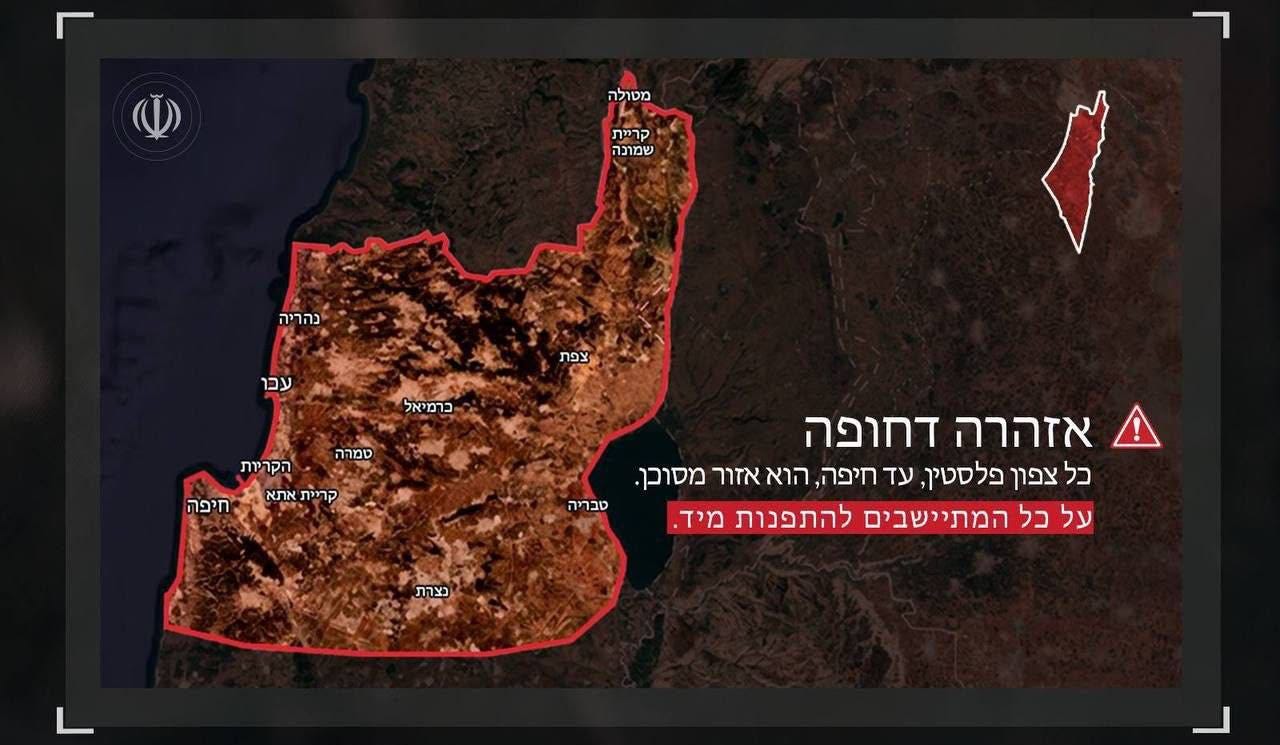
⚠️ IRANIAN EVACUATION WARNINGS, HEZBOLLAH CEASEFIRE SIGNALS, U.S. PRESSURE DELAYS PLANNED BEIRUT STRIKE AS DEBATE GROWS OVER LEBANON'S ROLE IN IRAN TALKS
⚠️ IRANIAN WARNINGS AND NORTHERN ISRAEL ALERTS: Iranian media and affiliated channels issued warnings urging residents of northern Israel to evacuate amid threats of retaliation and the possibility of expanded hostilities.
🔸 HEZBOLLAH SIGNALS WILLINGNESS FOR CEASEFIRE: According to Axios, Hezbollah informed the United States through Lebanese Parliament Speaker Nabih Berri that it is prepared to accept a full and immediate ceasefire with Israel.
U.S. and Israeli officials reportedly question whether Hezbollah would fully comply with such an agreement and do not expect Prime Minister Netanyahu to accept the proposal.
🇺🇸 TRUMP INTERVENES ON LEBANON: President Trump said he was "going to ask" Prime Minister Netanyahu "what's going on with Lebanon" following reports that Israeli military activity there could affect U.S.-Iran negotiations.
President Trump later stated: "I had a very productive call with PM Netanyahu, and there will be no troops going to Beirut, and any troops that are on their way, have already been turned back. Likewise, through highly placed representatives, I had a very good call with Hezbollah, and they agreed that all shooting will stop — that Israel will not attack them, and they will not attack Israel".
Reports indicate that Israel postponed a planned strike in Beirut's Dahiyeh district following U.S. pressure.
❗️ IDF CRITICISM OF PUBLIC ANNOUNCEMENT: According to Israeli Channel 12, the IDF criticized Prime Minister Netanyahu and Defense Minister Israel Katz for publicly announcing plans to strike Beirut before the operation was carried out.
Military officials reportedly said targets associated with the planned operation disappeared after the intended strike was publicly disclosed.
♟️ ANALYSIS: LEBANON INCREASINGLY LINKED TO THE IRAN FILE: The growing focus on Lebanon reflects a broader dispute over whether the U.S.-Iran ceasefire framework applies only to direct U.S.-Iran interactions or extends to other regional arenas.
Iran has increasingly portrayed Israeli military activity in Lebanon as relevant to the stability of the diplomatic track with Washington, raising questions about whether the Lebanese front is becoming part of a wider Iranian negotiating strategy rather than remaining a separate arena.
The reported U.S. effort to prevent an Israeli strike in Beirut highlights the increasing overlap between military developments in Lebanon and diplomatic efforts involving Iran. Critics argue that this dynamic could place additional constraints on Israeli freedom of action against Hezbollah.
At the same time, doubts remain among Israeli and U.S. officials regarding Hezbollah's willingness or ability to fully adhere to a ceasefire arrangement. Those concerns continue to influence discussions about deterrence, enforcement, and the long-term durability of any agreement.
The reported loss of operational targets following public announcements about the planned Beirut strike is also likely to fuel debate inside Israel regarding operational security, deterrence, and the relationship between political messaging and military effectiveness.
🔁 If this gave you clarity — forward it.
🌐 Full updates & discussion: https://www.israelrealtime.com


