
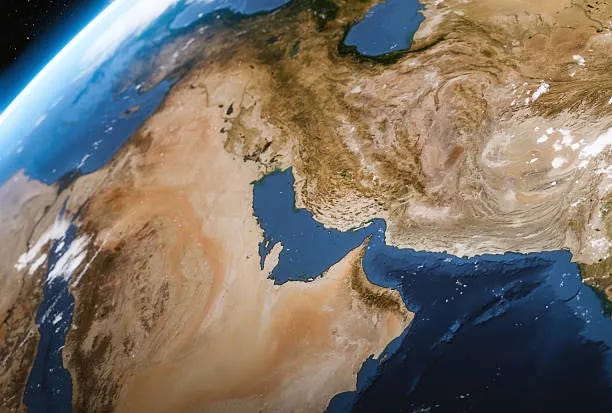
๐บ๐ธ U.S.-Iran Negotiations Delayed: Vice President J.D. Vance postponed planned direct talks with Iran in Switzerland.
Although logistical explanations were offered publicly, U.S. officials linked the postponement to the fighting between Israel and Hezbollah. Iran authorized future negotiations but emphasized that participation does not imply acceptance of American positions.
Iranian and Hezbollah representatives indicated that continued negotiations remain tied to developments in Lebanon and the durability of the ceasefire. Pakistan, which has played a role in facilitating discussions, stated that talks remain delayed rather than canceled and continues to target completion within sixty days.
โ Iran Links Lebanon to Regional Pressure Campaign: Iran repeatedly connected future negotiations to events in Lebanon and escalated warnings concerning the Strait of Hormuz.
State media, IRGC-linked outlets and naval broadcasts warned that continued Israeli military activity could justify closure of the waterway. Iranian messaging called for a complete ceasefire and Israeli withdrawal from Lebanon before normal maritime activity resumes, although reports remained inconclusive regarding whether a formal closure order had been issued.
Iran also maintained its suspension of cooperation with the International Atomic Energy Agency, rejected reports of renewed inspections and warned that any future access would depend on the outcome of negotiations.
Separately, Reuters reported allegations that IRGC-linked covert networks in Iraq conducted multiple drone attacks against Gulf states hosting U.S. forces during April and May.
๐ฎ๐ฑ๐บ๐ธ Growing Debate Over U.S.-Israel Relations: Israeli officials expressed concern over recent comments by Vice President Vance and broader signs of debate within parts of the Republican Party regarding future support for Israel.
According to Israeli reporting, officials fear that policy disagreements between President Trump and Prime Minister Netanyahu could eventually affect military support, weapons deliveries or future pressure regarding Israeli deployments in Lebanon and Syria.
Trump publicly rejected reports of an arms embargo, reiterated support for Israel's security, called for Hezbollah's disarmament under the current framework, and stated that the United States would defend Israel if it independently acted against Iran. He also asserted that he retains significant influence over Israeli decision-making regarding Lebanon.
๐๏ธ Israeli Political Responses: Defense Minister Katz stated that Israel will continue defending itself independently and rejected outside interference regarding Lebanon and Syria.
National Security Minister Itamar Ben-Gvir called for a more aggressive military response following the deaths of Israeli soldiers. Finance Minister Bezalel Smotrich called for a forceful response, while Diaspora Affairs Minister Amichai Chikli warned that Qatar, Pakistan and Turkey exert significant influence on President Trump and argued that Israel should increasingly prepare for a future strategic challenge from Turkey.
๐ If this gave you clarity โ forward it.
๐จ๏ธ Join the discussion, read on web & subscribe by email: https://www.israelrealtime.com/p/subscribe


