
🛡️ ISRAELI POSITION ON IRAN COST: Israel’s Foreign Affairs and Defense Committee Chairman Boaz Bismuth stated following a security briefing that the Iranian regime is expected to face significant consequences. He emphasized maintaining routine civilian activity while remaining patient and alert.
🇺🇸 U.S. STRATEGIC DECISION POINT: The U.S. administration is weighing whether to initiate additional military strikes or continue relying on “maximum pressure” sanctions. The decision centers on whether economic measures alone can compel Iran to re-engage in negotiations over its nuclear program.
♟️ CONCERNS OVER PROLONGED STALEMATE: U.S. officials have raised concern about entering a prolonged state of neither war nor agreement. Internal discussions indicate skepticism about diplomatic progress, with President Trump reportedly expressing the view that Iranian leadership responds primarily to force.
🧠 ASSESSMENT OF IRAN’S NEGOTIATING LIMITS: Current U.S. intelligence assessments suggest Iran’s negotiating team lacks authority from senior leadership, including Supreme Leader Mojtaba Khamenei and IRGC command. This assessment points to limited prospects for concessions without a change in battlefield dynamics.
🗣️ IRAN’S REGIONAL DEFENSE MESSAGING: At a Shanghai Cooperation Organization forum, Iranian Defense Ministry spokesman Reza Talaei-Nik stated Iran is prepared to share defense capabilities with Central Asian states. He also referenced Iran’s claimed experience in countering U.S. military efforts.
⚓ STRAIT OF HORMUZ AS ECONOMIC LEVER: U.S. officials described the Strait of Hormuz as a critical pressure point being used by Iran to influence global markets. Additional remarks from U.S. leadership highlighted increasing strain on Iran’s oil production and domestic fuel supply under sanctions pressure.
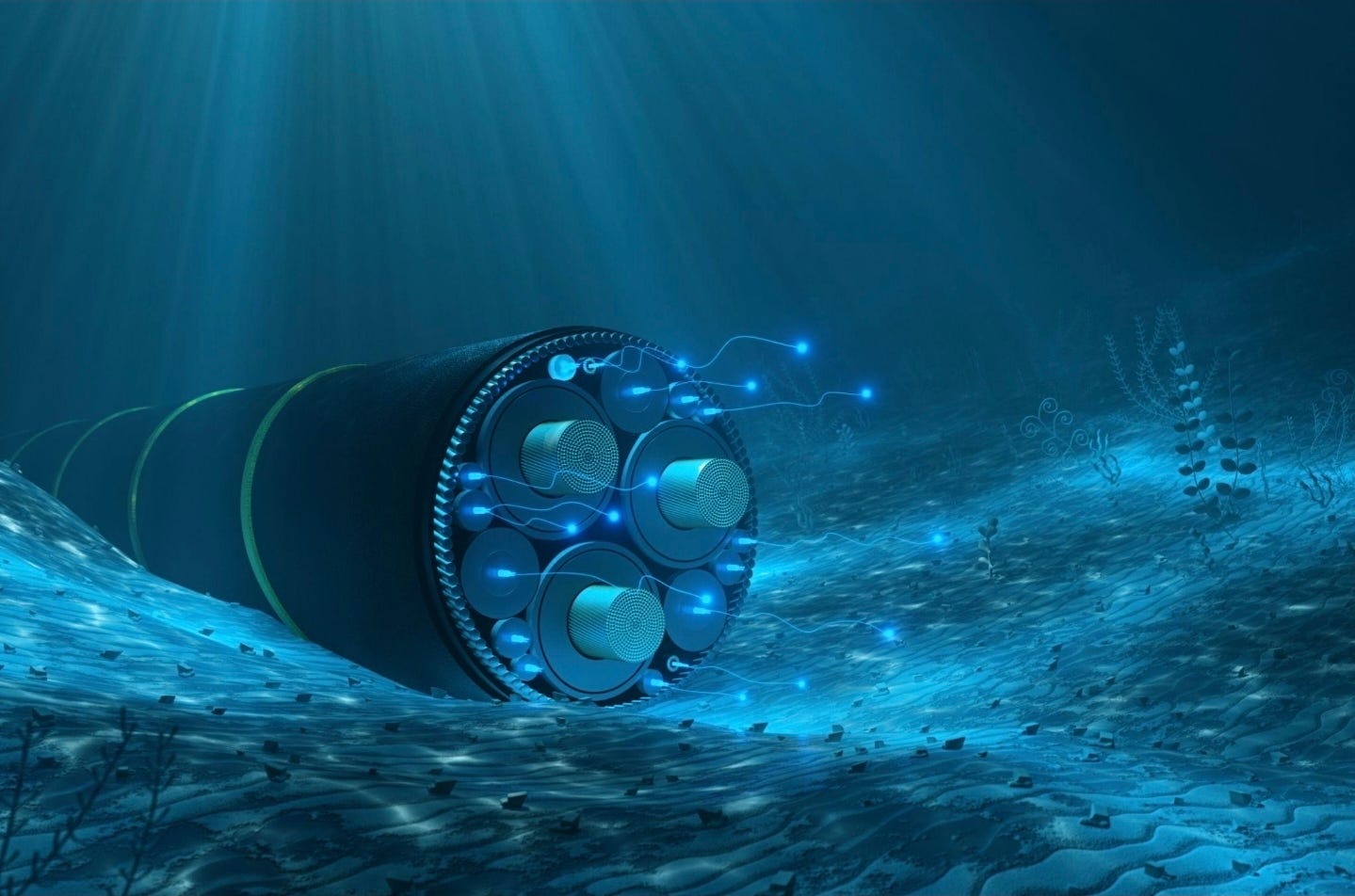
🛜 HORMUZ AS A DIGITAL CHOKEPOINT: Iran has highlighted submarine cables in the Strait of Hormuz as a vulnerable element of the global digital system, expanding the strategic focus beyond maritime shipping. Multiple fiber-optic cables pass through the corridor, linking Asia to Europe via Gulf states, and carry an estimated 99% of global internet traffic.
Potential damage to these cables could disrupt internet access, cloud services, financial transactions, and broader global commerce, particularly for Gulf economies heavily invested in digital infrastructure. While most cable failures globally are caused by accidents, ongoing military activity increases indirect risks, including drifting vessels or anchor damage in combat zones. Repair operations in such conditions are complex and delayed by security constraints, meaning even limited disruptions could take extended time to resolve.
🏛️ U.S. POLITICAL RESPONSE TO IRAN PROPOSALS: Senator Lindsey Graham expressed doubt regarding reports of a potential Iranian proposal involving lifting the blockade and reopening the strait. He indicated that such terms would likely be rejected, viewing them as inconsistent with existing U.S. positions on Iran’s nuclear and regional activities.
🇷🇺 RUSSIA SUPPORTS IRAN’S MARITIME POSITION: Russia signaled backing for Iran’s right to restrict maritime movement in the Strait of Hormuz during wartime. A Russian UN representative stated that coastal states may impose such measures within their territorial waters for security purposes.
🔁 If this gave you clarity — forward it.
🗨️ Join the discussion, read on web & subscribe by email: https://www.israelrealtime.com/p/subscribe


