
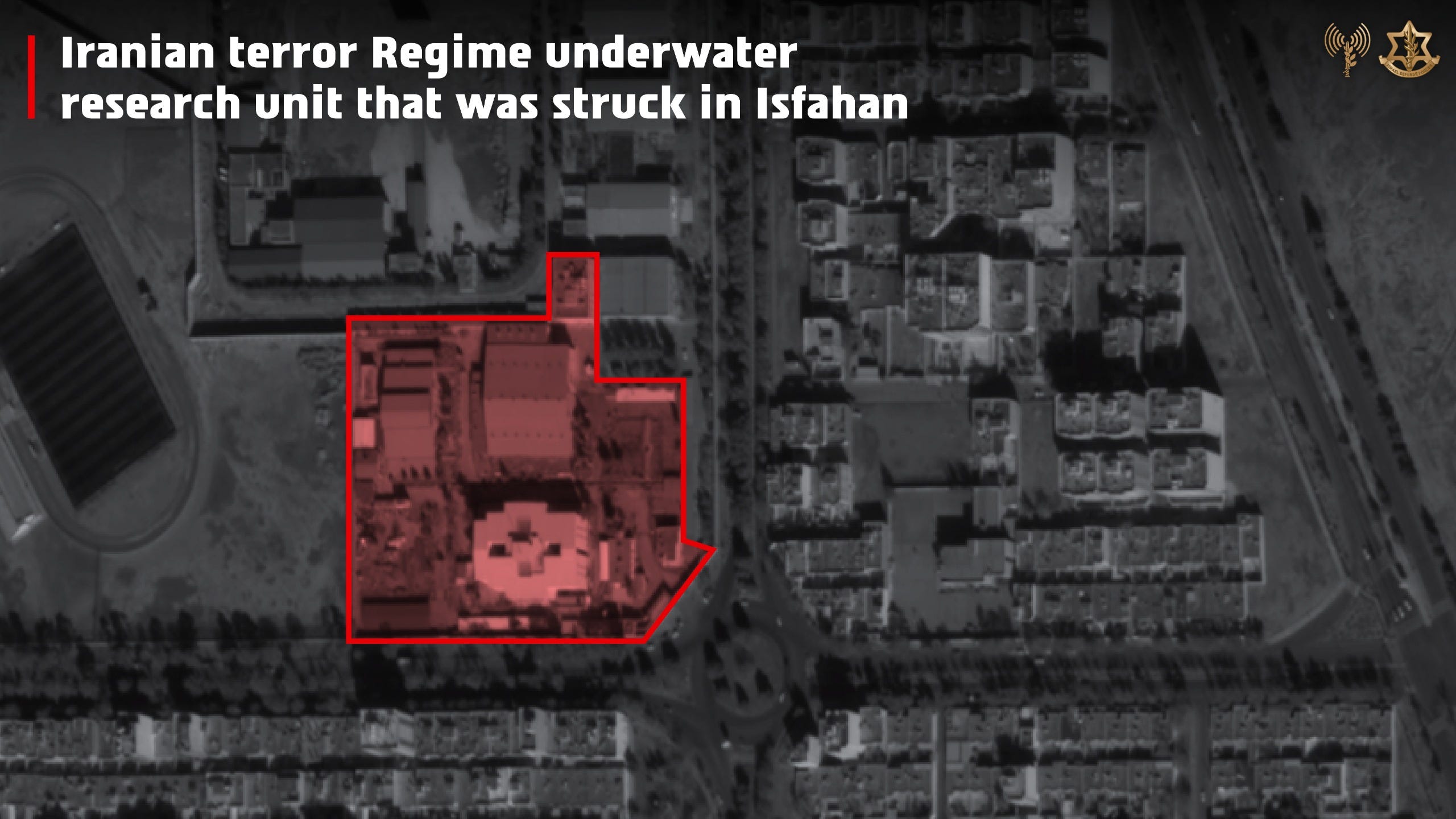
🌍 IDF STRIKES IRANIAN MILITARY INFRASTRUCTURE AS ISRAEL EXPANDS RESERVE AUTHORIZATION AND DIPLOMATIC TENSIONS RISE
🪖 Reserve Mobilization Framework: The Israeli government approved authorization to call up to 400,000 reservists, establishing a flexible ceiling rather than an immediate deployment figure. This mechanism supports sustained operational readiness across multiple arenas, particularly under Operation “Roaring Lion,” and reflects the continued need for periodic emergency approvals since October 2023 due to limitations in standard mobilization procedures.
💥 Strikes on Iranian Naval Development — Isfahan: The Israeli Air Force targeted key production infrastructure linked to Iran’s naval capabilities, including the Underwater Research Center responsible for submarine design and development. The strike also impacted facilities producing unmanned naval vessels, significantly reducing Iran’s ability to expand and upgrade its naval fleet.
🏙️ Strikes on Iranian Infrastructure — Tehran: Additional waves of IDF strikes were carried out against regime-linked infrastructure in Tehran. Specific operational details have not yet been publicly disclosed.
🎯 Expanded Targeting of Iranian: Weapons Systems and Supply Routes
Israeli strikes included aerial and naval weapons manufacturing sites used to supply Iran’s regional proxies, alongside defensive assets such as anti-aircraft systems. A separate strike targeted the Caspian Sea port of Bandar Anzali, a key logistics hub facilitating the transfer of drones, ammunition, and other military equipment, including routes associated with Shahed drone shipments.
❌ Elimination of Hamas Nukhba Operatives — Central Gaza: An Israeli airstrike killed several Hamas Nukhba Force members during a military exercise in central Gaza. The IDF stated the operatives had recently conducted training activity and posed a direct threat, adding that dozens of Hamas operatives have been killed in Gaza during the broader conflict, with most accused of violating the ceasefire.
🌍 Israeli Concerns Over U.S.–Iran Negotiations: Israeli leadership expressed skepticism regarding the substance of Iranian concessions in ongoing talks, with concerns that a potential agreement may not align with Israel’s security requirements. Additional concern centers on any deal that could restrict Israel’s operational freedom to act against Iran.
⚠️ Iran Rejects Ceasefire Framework and Signals Distrust: Iranian officials publicly rejected proposed ceasefire terms, stating that war termination would depend on achieving strategic objectives. Statements to regional and international outlets reflected deep distrust of U.S. intentions, with officials asserting that previous engagements had been misleading and warning against further negotiations under current conditions.
🇺🇸 U.S. Military Posture and Readiness Signals: U.S. discussions regarding potential deployment of elements of the 82nd Airborne Division indicate contingency planning for possible escalation, though no formal deployment order has been issued. The unit is capable of rapid deployment within 18 hours, with reports indicating a potential force of approximately 3,000 troops if activated.
🗣️ Regional Positioning and Gulf State Hesitation: Turkey is actively urging Gulf states to avoid direct involvement in the conflict, while Gulf countries, despite growing frustration over Iranian strikes on strategic sites, remain cautious. Their participation appears contingent on further escalation, particularly involving critical infrastructure such as energy or water systems.
⏱️ If this update was helpful, please forward it to someone who relies on real-time information from Israel.
🌐 Read on web & subscribe by email: https://www.israelrealtime.com/s/digest
☕ Support independent reporting: https://www.israelrealtime.com/p/donate


