


🇺🇸 Arms supply: A U.S. official told The Washington Post that the Trump administration is preparing to execute a $2.8 billion sale of 2,000-pound bombs to Israel, expected to be the largest deal of its kind in recent years. CENTCOM Commander Adm. Brad Cooper said U.S. forces were well-armed, ready for any contingency and faced no munitions shortage concerns. He also said he was not worried about future threats.
💰 Dispute over additional IDF funding: Defense Minister Israel Katz urged Opposition Leader Yair Lapid to support agreed Knesset legislation for additional IDF funding, warning that delays could directly affect military readiness and civilian security. He said the money would increase reservist payments, maintain security zones protecting border communities, procure munitions, restore readiness for the campaign’s continuation and expand Israeli-made defensive and offensive capabilities through domestic industries.
Katz argued that evolving threats required immediate decisions and that the request should be separated from broader budget disputes. He said the funds were available in the treasury and required legislation, with no connection to tax increases or other budget items. Recalling Lapid’s pledge to support pandemic spending when Katz was finance minister, he criticized the absence of similar support for a military campaign he said had achieved “tremendous accomplishments on all fronts” but still had objectives to complete.
Gadi Eisenkot accused political leaders of ignoring years of IDF warnings about munitions shortages and backed Lapid: “If Netanyahu’s government wants a solution, it should turn off the tap of coalition funds.”
A separate response, whose author was unidentified, argued that government economic policy had generated higher-than-expected revenues and a lower-than-expected deficit, permitting increased defense spending without tax increases. It disputed Lapid’s figures for coalition funding and ultra-Orthodox budgets, saying such amounts had never been allocated or approached, and accused him of placing political considerations above security needs.
🌐 Cargo seizures: Bloomberg reported that Malaysia seized three additional containers carrying electric bike parts from China to Ashdod at Tanjung Pelepas Port on August 19; they remain detained. An earlier container bound for Elbit Systems was seized on August 7 on suspicion of containing weapons. Malaysia bans direct trade with Israel, although transit cargo is normally exempt.
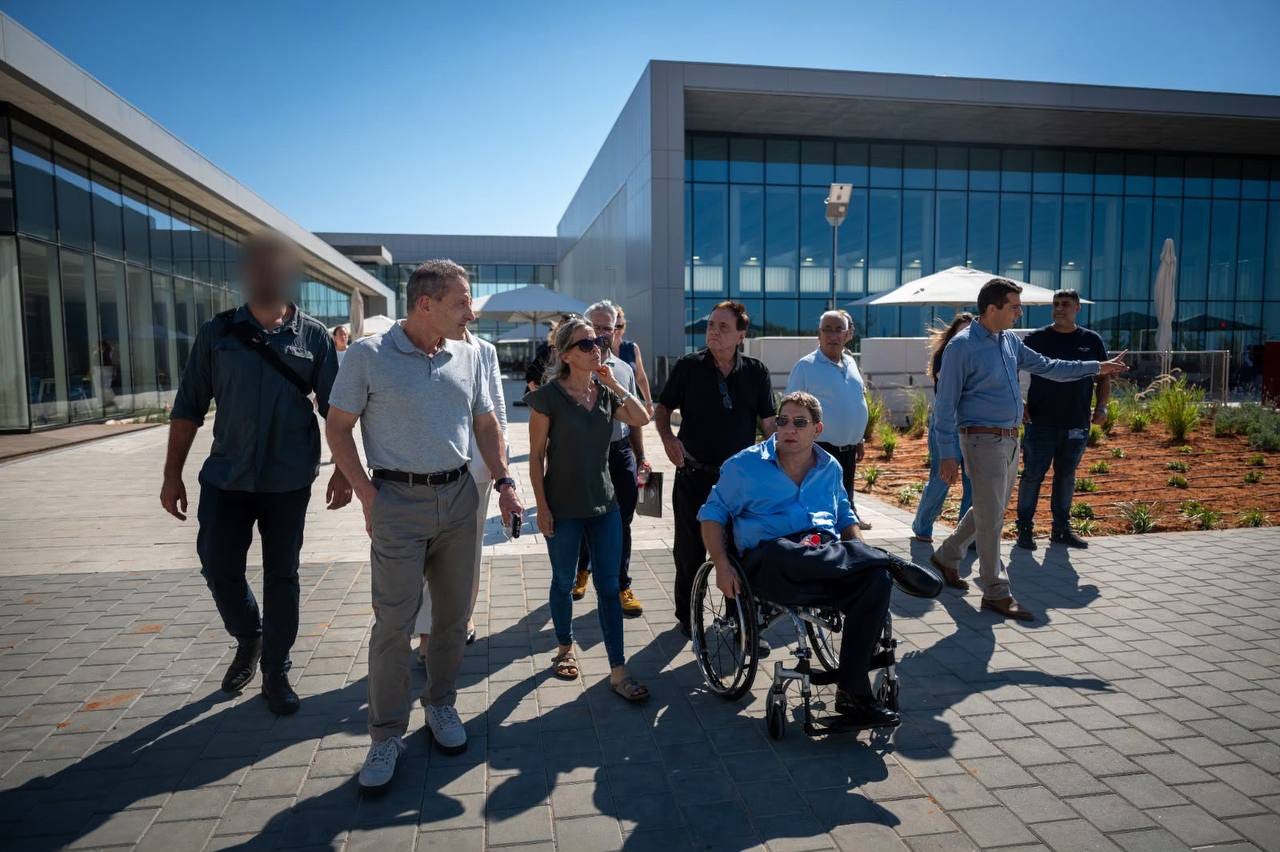
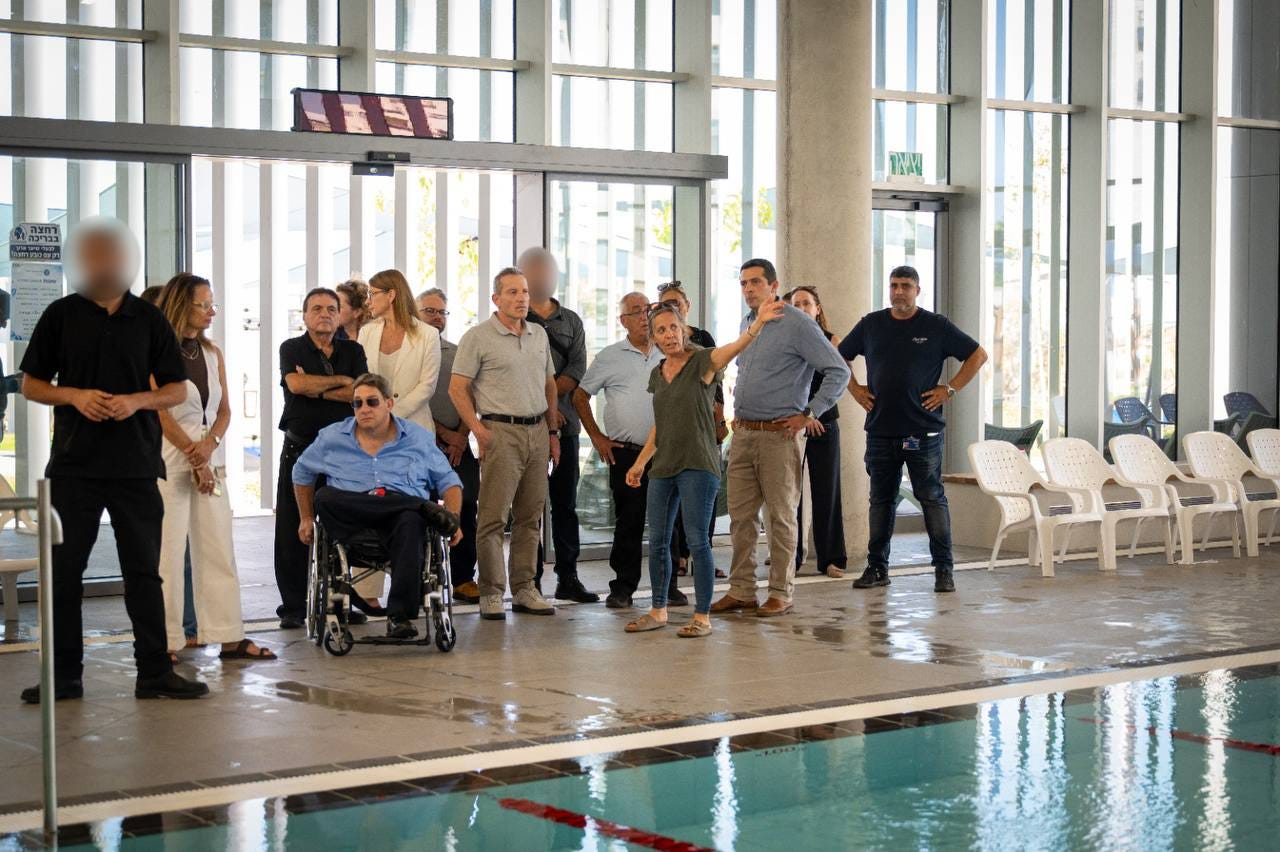
🩺 Rehabilitation services in Ashdod: Defense Ministry Director General Maj. Gen. (res.) Amir Baram toured the recently inaugurated Beit Halochem in Ashdod with IDF Disabled Veterans Organization Chairman attorney Idan Kleiman and senior ministry officials. The center includes a therapeutic pool, modern sports facilities and a dedicated wing for people coping with post-traumatic stress.
The visit accompanied implementation of the ministry’s rehabilitation strategy and the government’s adoption of the Mor-Yosef Committee’s recommendations. Baram said the country’s test included the support provided to those wounded physically and psychologically, alongside building defense capabilities. He described the center as combining therapeutic innovation, personalized care and a supportive environment, and pledged continued cooperation with the veterans organization to expand accessible, respectful care for every wounded man and woman.
🏛️ Faction commitments: Eisenkot’s campaign manager reportedly said a proposal requiring party-list members to sign a commitment to resign rather than oppose the faction when a government is sworn in had been considered and dropped. The alternative combines an ethics code requiring members not to vote against the faction with a personal commitment to Eisenkot to resign if supporting that government’s formation conflicts with their conscience.
🔁 Know someone who should see this? Forward it.
🗨️ Join the discussion, read on web & subscribe by email: https://www.israelrealtime.com/p/subscribe